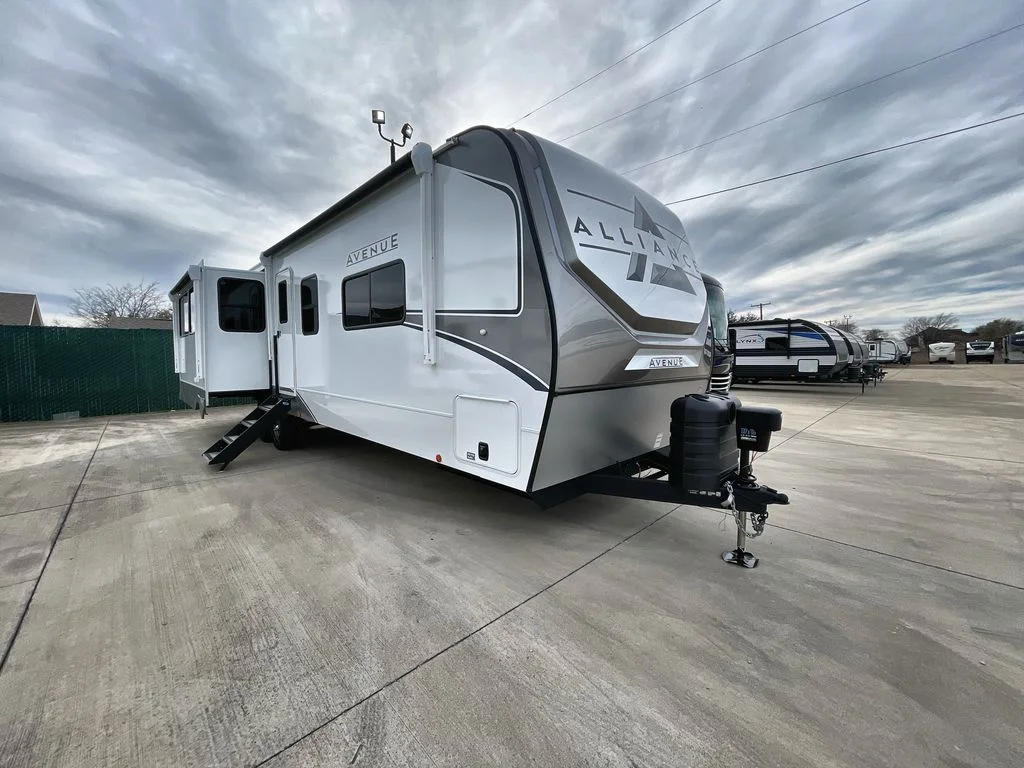
How to Insulate a Camper - Stay Cool in Summer, Warm in Winter
Factory RV insulation is thin. Walls are 1-2 inches thick with basic fiberglass or foam. That’s nothing against a 105°F Texas afternoon or a 25°F winter night. Smart insulation upgrades make a camper livable year-round.
Where Heat Escapes (and Enters)
Not all areas lose heat equally. Focus on the biggest offenders first:
- Windows — single-pane glass is the worst insulator in any RV
- Roof vents — open holes in the ceiling, even when closed
- Entry door — thin metal or fiberglass with minimal sealing
- Floor/underbelly — exposed to outside air temperature
- Walls — thin but the largest surface area
Window Insulation
Reflective Window Covers
Cut Reflectix (bubble-wrap style reflective insulation) to fit each window. Reflects radiant heat in summer and keeps warm air inside in winter.
Cost: $15-25 for a roll that covers most windows Effectiveness: Reduces window heat transfer 50-60% Downside: Blocks the view. Good for sleeping or when you’re away.
Thermal Curtains
Heavy curtains with thermal backing. Let you see out when open but insulate well when closed. Use with curtain rods that seal tight to the wall edges.
Cost: $20-40 per window Best for: Daily use without sacrificing views during the day
Window Film
3M or Gila heat-control window film applied directly to the glass. Reduces solar heat gain 40-50% while maintaining visibility.
Cost: $30-50 for a full RV set Best for: Summer heat in Texas — permanent, invisible improvement
Roof Vent Insulation
Foam Vent Covers
Camco or custom-cut foam board plugs that fit inside the vent opening. Block cold air drafts in winter and hot air infiltration in summer.
Cost: $8-15 per vent Installation: Push into the vent opening from inside. Takes 10 seconds. Impact: Surprising. Uninsulated vents leak significant heat/cold.
Vent Cushions
Insulated pillow-style covers with reflective material. Fit over the vent interior trim and held in place by Velcro. Reusable and easy to remove for ventilation.
Door Insulation
Weatherstripping
Replace worn door seals with new foam or rubber weatherstripping. RV door seals compress and crack after a few years, creating air gaps.
Cost: $10-20 How to check: Close the door on a dollar bill. If the bill pulls out easily, the seal isn’t compressing enough.
Insulated Door Covers
A custom-fit reflective cover over the inside of the entry door. Blocks the metal door from conducting heat/cold inside.
Underbelly and Skirting
RV Skirting
Enclosing the space between the RV floor and the ground creates dead air insulation. Options:
Vinyl skirting (custom): Professional look, durable, wind-resistant. $800-2,000 installed.
Foam board (DIY): Cut 1-2 inch XPS foam board to fit. Lean against the RV body and secure with ground stakes. $100-200 in materials. Not pretty but effective.
Hay bales: Old-school but functional for stationary winter camping. Stack around the perimeter. Free or cheap. Replace yearly.
Underbelly Enclosure
Some RVs have an exposed underbelly where plumbing and tanks hang below the frame. Enclosing this area with Coroplast (corrugated plastic) or foam board and adding fiberglass insulation protects pipes from freezing.
Summer-Specific Tips for Texas
Park in Shade
The single most effective cooling strategy. A shaded campsite reduces interior temps 10-15°F compared to direct sun.
Awning Use
Extend your awning on the sunny side. It shades the wall and windows, reducing solar heat gain. Add an awning sun blocker ($50-100) for even more shade.
Reflective Roof Coating
White or reflective roof coatings reduce roof surface temperature by 20-30°F. On a rubber roof, use Dicor CoolCoat or similar elastomeric coating. One application lasts 5+ years.
Run Fans
Ceiling fans and portable fans circulate air and make the AC more effective. A MaxxAir vent fan ($150-250) pulls hot air out through the roof vent and brings cooler air in through windows.
Winter-Specific Tips
Heat Tape
Wrap heat tape around exposed water lines and the water hose from the spigot. Plug into shore power and it prevents freezing. Essential for winter camping in DFW.
Space Heaters
A small ceramic space heater supplements the RV furnace and uses less propane. Keep a window cracked for ventilation when using any heating source.
Dehumidifier
Winter camping generates moisture (breathing, cooking, showering). A small dehumidifier prevents condensation on windows and walls that leads to mold.
Related Articles
More Camper Guides
RV Roof Repair Guide - Fix Leaks, Reseal and Prevent Damage
Repair and maintain your RV roof to prevent water damage. Covers leak detection, Dicor sealant application, rubber roof patching and annual maintenance schedules.
RV Slide-Out Maintenance - Seals, Lubrication and Troubleshooting
Maintain your RV slide-outs to prevent leaks, motor failure and seal damage. Covers seal cleaning, lubrication schedules, adjustment and common slide-out problems.