Full-Time RV Living Cost Breakdown - Monthly Budget Guide
The Instagram version of RV life shows sunsets and freedom. The spreadsheet version shows campground fees, fuel costs and surprise repair bills. Both are real. Here’s what it actually costs.
Monthly Cost Breakdown
| Category | Budget Range | Notes |
|---|---|---|
| Campground/RV park | $500-1,200 | Monthly rates; boondocking = $0 |
| Fuel | $200-600 | Depends on travel frequency |
| Food/groceries | $400-800 | Eating out inflates this fast |
| Insurance | $100-300 | Full-timer policy |
| Cell phone/internet | $75-150 | Unlimited data + hotspot |
| Health insurance | $300-800 | ACA marketplace if self-employed |
| Maintenance/repairs | $100-300 | Average over time; varies wildly |
| Propane | $30-150 | More in winter, less in summer |
| Laundry | $40-80 | Campground machines |
| Entertainment | $50-200 | Parks, activities, streaming |
| Mail forwarding | $15-30 | Escapees, Americas Mailbox, etc. |
| Miscellaneous | $100-200 | Supplies, replacements, fees |
| Total | $1,910-$3,910 |
Campground Costs
This is your biggest controllable expense.
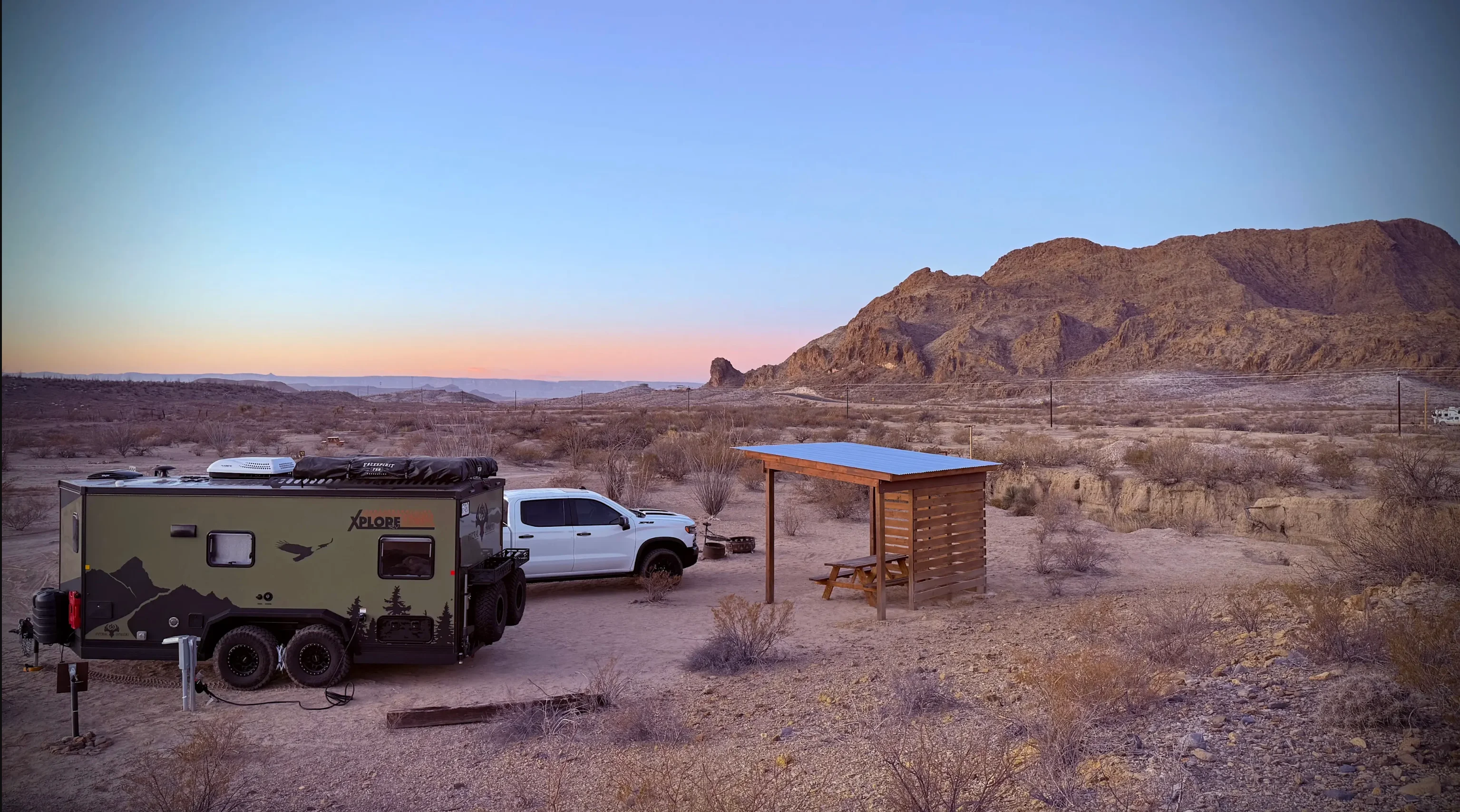
Boondocking (free): BLM land, national forest dispersed camping, Walmart parking lots, Harvest Hosts. No hookups — you need solar, batteries and water capacity. Saves $500-1,200/month.
State parks ($400-700/month): Texas state parks charge $20-35/night but monthly rates aren’t always available. Best for short stays, not full-time.
Private RV parks ($500-1,200/month): Monthly rates vary by location and amenities. Rural Texas parks run $400-600/month. DFW metro parks run $800-1,200/month. Includes full hookups, WiFi and amenities.
Workamping ($0 + pay): Work at a campground in exchange for a free site and sometimes hourly wages. Amazon CamperForce, national park concessionaires and private campgrounds all hire RVers.
Fuel Costs
A gas RV or tow vehicle gets 8-15 MPG while towing. Diesel gets 12-18 MPG.
If you move every 2-4 weeks and drive 500 miles between stops, budget $200-400/month. If you travel constantly, $500-800/month.
Staying put saves the most. Park for a month or longer and fuel drops to near zero. Many full-timers move 4-6 times per year, not every week.
Insurance
A standard RV policy doesn’t cover full-time living. You need a full-timer policy that replaces homeowner’s insurance.
Full-timer RV insurance: $100-300/month depending on rig value, coverage limits and deductible.
Providers: Good Sam, National General, Progressive, Roamly
The policy covers personal belongings, liability and the RV itself — similar to a homeowner’s policy but for a mobile home.
Health Insurance
If you leave a job with employer insurance, you’ll need individual coverage. Options:
- ACA Marketplace: Based on income. If your RV income is low, subsidies can reduce premiums significantly. Choose your domicile state’s marketplace.
- Health sharing ministries: Not insurance but covers medical costs through member contributions. $200-500/month for couples.
- Short-term plans: Cheap but limited coverage. Not a long-term solution.
The First-Year Surprise Budget
Year one costs more than every year after. Here’s what catches new full-timers off guard:
- RV upgrades you didn’t know you needed: solar, lithium batteries, better mattress, cell booster — $2,000-5,000
- First major repair: Something breaks in the first 6 months. Budget $1,000-2,000 in reserve.
- Learning curve fuel costs: You’ll drive more than planned while figuring out where you like to camp
- Gear you forgot: Tools, hoses, leveling blocks, power adapters — $300-500 in supplies
Money-Saving Strategies
Stay longer, move less. Every move burns fuel and wears components. Monthly rates are 30-50% cheaper than nightly rates.
Cook every meal. Restaurant spending is the #1 budget killer on the road. A good RV kitchen setup pays for itself immediately.
Boondock when possible. Even a few days of free camping per month saves $200+.
Join Passport America. $44/year for 50% off at 1,800+ campgrounds. Pays for itself in one stay.
Time your travel. Fuel prices and campground rates drop in shoulder seasons. Avoid holiday weekends.
Related Articles
More Camper Guides
RV Insurance Guide - Coverage Types, Costs and Best Providers
Understand RV insurance coverage options and costs. Liability, comprehensive, full-timer policies, roadside assistance and which providers offer the best rates for Texas RV owners.
RV Mail Forwarding Services - Best Options for Full-Timers
Compare the best mail forwarding services for full-time RV living. How they work, costs, scanning options and which states are best for establishing domicile.